What to Look for in a Jamestown Tiny Home Builder for Professional Tiny Home Construction
What to Look for in a Jamestown Tiny Home Builder for Professional Tiny Home Construction
Blog Article
Dependable Home Builder: Designing Your Dream Home
Enlisting a trusted home professional is a pivotal step in transforming a concept into a real reality. This determination can substantially influence the building undertaking and universal contentment. Essential characteristics such as communication skills, industry expertise, and a solid standing are essential. Understanding these particulars can lead to a more effortless experience. However, many property buyers overlook critical components that can shape their journey. What should they review before making this important decision?
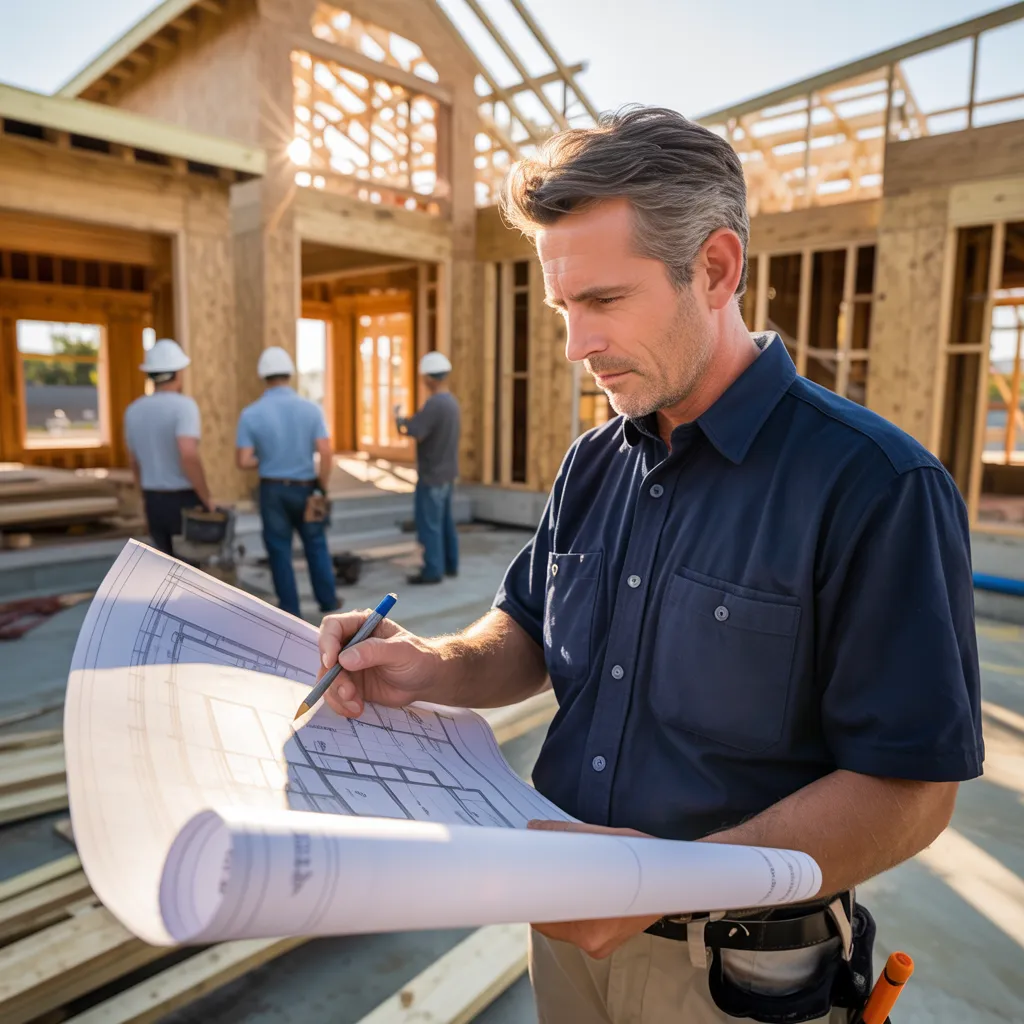
Vital Qualities of a Reliable Home Builder
When assessing a home builder, the cornerstone of a productive collaboration rests on their key attributes. A trustworthy home builder displays strong interpersonal skills, maintaining clarity throughout the construction process. They must have vast professional experience, which allows them to surmount difficulties and produce excellent results. Careful consideration is yet another important quality; it indicates their dedication to excellent craftsmanship and respect for building codes.
Furthermore, an excellent builder should establish a robust name, grounded by positive reviews and references from previous clients. This credibility is usually formed through reliability and responsibility when meeting schedules and financial parameters. Adaptability likewise acts as an vital component, since a builder must be receptive to client suggestions and willing to adjust specifications as required. In summary, these qualities combine to establish a collaborative atmosphere, vital for achieving a client's concept in reality.
Benefits of Choosing the Right Contractor for Your Perfect Residence
Choosing the right contractor significantly improves the home construction experience, translating visions into tangible results. A experienced builder not only brings professional skill and knowledge but also ensures adherence to schedules and financial constraints. This dependability fosters peace of mind for homeowners, knowing their investment is in trustworthy hands.
Moreover, a reputable builder often has established relationships with suppliers and subcontractors, leading to higher quality materials and workmanship. This can result in a more durable and efficient home, ultimately minimizing long-term maintenance costs.
Moreover, the competent contractor furnishes valuable insights during the development stage, adapting the home to satisfy specific needs and tastes. Their comprehension of jurisdictional requirements and structural standards can expedite the regulatory procedure, curtailing interruptions.
Ultimately, selecting the perfect contractor lays a strong base for a successful project, improving satisfaction and ensuring that the ideal residence turns into a fact.
What to Anticipate During the Home Building Journey?
What will homeowners go through during the home building journey? The process initiates with an initial consultation, where property owners convey their vision and budget with the builder. This stage often entails property selection and procuring required permits, which can take time and necessitate patience.
Once organizing is underway, the phases of construction start, consisting of foundation work, structural framing, and installation of utilities. Homeowners should anticipate regular updates and frequent site visits to keep an eye on progress. Challenges may arise, such as weather delays or material shortages, which are common in the building course.
As the work reaches its end, homeowners will participate in final evaluations, confirming everything meets their desires. This journey culminates in the wonderful moment of receiving the keys to their new home. Throughout this timeline, clear communication with the builder is important to navigate challenges and guarantee that the final result reflects the homeowner's vision.
Essential Queries to Assess Your Home Builder
When choosing a home builder, it's crucial to evaluate their qualifications and background to ensure they have a proven track record. Additionally, examining their responsiveness and communication skills can offer understanding of how efficiently they will oversee the construction process. Asking the right questions can help potential home buyers make informed decisions.
Experience and Professional Background
As prospective homeowners begin on the process of constructing their ideal residence, comprehending a builder's qualifications and background becomes essential. Evaluating a contractor's history of work is vital; years in the industry often indicate dependability and skill. Homeowners should ask regarding completed projects, emphasizing quality and design that align with their goals. Credentials and permits further validate a builder's dedication to professional norms and regulations. Additionally, checking for memberships in professional organizations can shed light on the builder's commitment to ongoing education and best practices. Homeowners should also seek references from past clients to measure satisfaction levels and project outcomes. Ultimately, appraising qualifications and background lays a strong foundation for a successful building partnership.
Engagement and Responsiveness
How well a builder shares information can greatly impact the home-building experience. Prospective homeowners should assess a builder’s responsiveness during the first inquiries. Consider the following questions: How quickly does the builder reply to calls or emails? Are they ready to meet personally to review project details? Effective communication not only fosters trust but also guarantees that expectations are clear. Additionally, inquire about the methods used for updates throughout the construction process. Do homeowners get consistent progress reports? Are there established channels for addressing concerns? If a builder is willing to communicate openly and consistently, it can reflect their dedication to customer satisfaction. In the end, clear communication and responsiveness are key to a smooth and successful home-building experience.
Tips for Assessing Home Builder Reviews
What considerations should one examine when reviewing home builder reviews? First, it is vital to assess the source of the reviews. Reputable sites or platforms with confirmed user feedback establish credibility in the comments. Next, potential buyers should find trends in the reviews. Recurring remarks concerning workmanship, responsiveness, and timeliness can shed light on the builder's trustworthiness.
Moreover, separating subjective opinions from factual data is important. Comments about personal experiences may differ, but detailed information about craftsmanship or finishing a project can provide useful information.
Moreover, the timing of the reviews is significant; recent feedback often shows a builder's current service quality and approaches. Finally, review the overall rating alongside individual reviews, as a high average may demonstrate a generally strong reputation despite a few negative experiences. By thoroughly assessing these factors, one can make a more knowledgeable choice when picking a home builder.
Advice for Developing a Robust Relationship With Your Builder
Building a lasting relationship with a home builder is based on effective communication and explicit expectations. Creating open channels for dialogue allows both sides to communicate concerns and updates throughout the construction process. Furthermore, establishing see the facts clear expectations from the outset builds a collaborative environment, enhancing overall project satisfaction.
Foster Communication Networks
Effective communication serves as the foundation of a successful relationship between homeowners and builders. Establishing transparent communication channels supports transparency and trust throughout the construction process. Homeowners should value regular check-ins, utilizing various methods such as emails, phone calls, or in-person meetings to guarantee that concerns are addressed timely. Builders, in turn, should provide updates on project progress and any potential challenges, encouraging a two-way dialogue. This proactive approach helps to minimize misunderstandings and promotes a joint atmosphere. Additionally, homeowners should feel comfortable voicing questions or suggestions, while builders should remain receptive and responsive. By nurturing these open lines of communication, both parties can work together effectively, ultimately leading to a more positive home-building experience.
Establish Explicit Expectations
When homeowners and builders establish transparent communication from the outset, the groundwork for a strong relationship is formed. This transparency helps both parties comprehend project timelines, budget constraints, and aesthetic choices, reducing misunderstandings. Homeowners should articulate their vision and priorities, while builders must communicate feasibility and potential challenges. Regular check-ins throughout the project guarantee that any adjustments are made collaboratively. Establishing a detailed contract that outlines responsibilities, timelines, and payment schedules further solidifies this understanding. By prioritizing openness, both homeowners and builders can foster confidence and responsibility. Ultimately, establishing transparent guidelines not only improves dialogue but also contributes to a smoother construction process, resulting in the fulfillment of the homeowner's ideal residence concept.
Popular Questions Asked
How much time Does the Home Building Process Typically Take?
Home construction processes typically take six to twelve months, depending on factors including complexity of design, permitting, and climatic factors. Each undertaking varies, affecting overall timelines and completion dates substantially.
What Funding Solutions Are Provided for House Projects?
Numerous funding choices for home construction include conventional loans, FHA loans, construction-to-permanent loans, and personal loans. Each option provides varied terms and conditions, allowing individuals to opt based on their financial situation and project requirements.
Can I to Update Plans During the Construction Timeline?
Yes, revisions can commonly be made during the building process. However, the range and possibility are contingent on the project's stage, budget implications, and the builder's standards, necessitating clear communication between the homeowner and the builder.
What Warranties Do Builders Typically Deliver After Construction Completion?
Builders commonly offer protection plans addressing structural defects, workmanship, and materials for a set timeframe, often ranging from one to ten years. These warranties guarantee protection against potential issues that may arise after completion of the construction.
How Are Construction Delays Relayed to Homeowners?
Construction setbacks are generally communicated to homeowners through regular updates via telephone or email contact. Contractors may also offer documented communications detailing reasons for the delay, projected finish dates, and measures implemented to resolve the problems.
Report this page